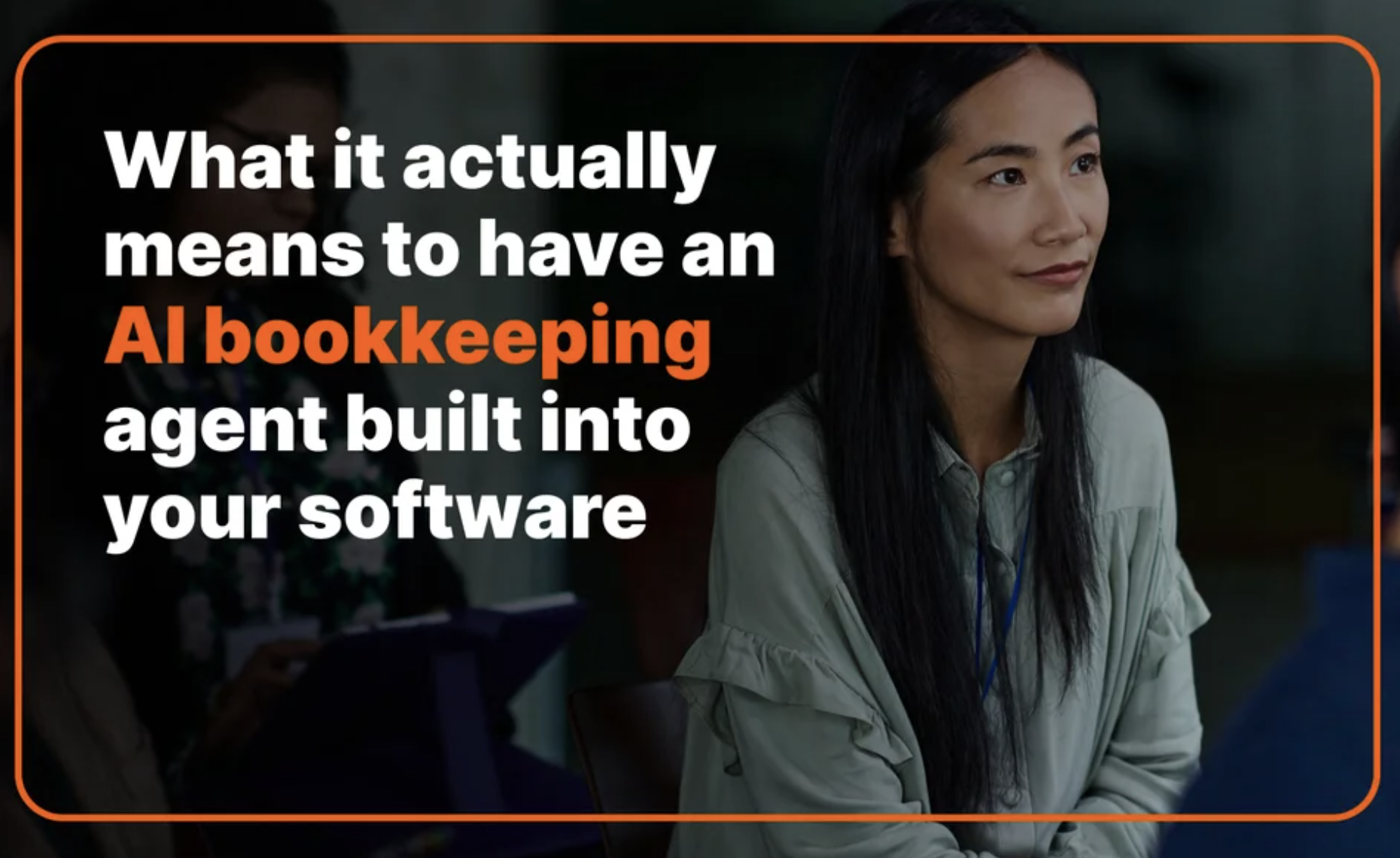
AI is appearing in almost every piece of bookkeeping software. But what does an AI bookkeeping agent actually do and how is it different from the automation bookkeepers have used for years?
The simplest answer: traditional automation follows rules you create. An AI agent can learn from how you work and identify opportunities to automate repetitive tasks.
It Learns From Your Decisions
A traditional rules engine does exactly what you tell it.
For example, you might create a rule telling your software to categorize transactions from a particular supplier in a certain way. That rule will continue running until you change it.
An AI bookkeeping agent goes a step further.
Dext AI Assist, for example, observes how you handle documents and transactions across clients. When it recognizes a pattern in your decisions, it can suggest a rule to handle similar transactions in the future.
In other words, instead of you finding every opportunity to automate, the AI can start finding some of those opportunities for you.
It Spots Repetitive Work
Bookkeepers make hundreds of small decisions that individually take very little time but collectively consume hours.
An AI agent can identify patterns within those repetitive decisions and surface tasks that may be suitable for automation.
This becomes particularly useful when managing multiple clients, where there may be patterns you haven't consciously recognized or had time to turn into rules yourself.
It Doesn't Replace Your Judgment
An AI bookkeeping agent shouldn't mean handing complete control of your clients' books to software.
With Dext AI Assist, suggested rules require approval. The bookkeeper can see the recommendation and decide whether it makes sense before putting it into action.
That distinction is important: the AI identifies the opportunity, while the bookkeeper remains the decision-maker.
It Frees You to Focus on Higher Value Work
Ultimately, the purpose of an AI bookkeeping agent isn't to add another layer of technology to your practice. It's to reduce the amount of routine work requiring your attention.
As repetitive categorization and processing become easier to automate, bookkeepers can spend more time reviewing exceptions, solving problems, talking with clients, and providing advice.
That's what an AI bookkeeping agent should actually do: learn from the way you work, reduce repetitive tasks, and give you more time for the work that requires human expertise.
To learn more about DextDext AI Assist, visit here.